
Introduction
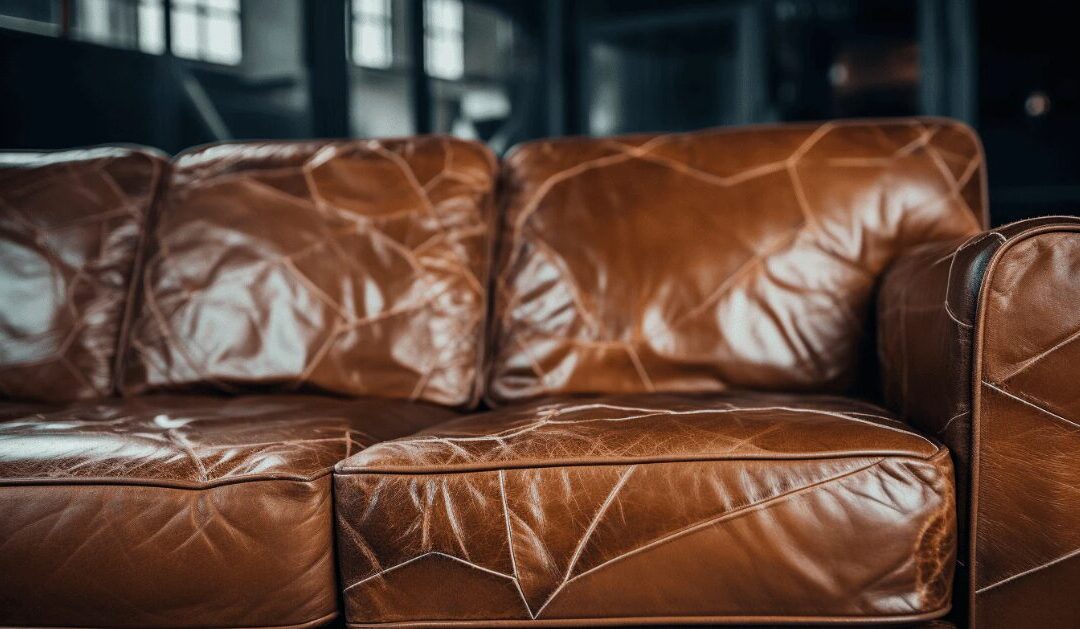
If you’ve been searching for how to fix a cracked leather sofa, it usually means the damage has reached a point where professional restoration is needed. Cracked or peeling leather can turn a beautiful sofa into something tired and lifeless. It’s one of the most common problems I see in homes and vehicles across Essex and parts of London,
from sunny living rooms in Chelmsford to family cars in Brentwood.
Many people try DIY fixes using household oils or quick kits, but these rarely last. True
leather sofa repair requires experience, the right materials, and professional technique to
restore flexibility, colour, and feel.
As the sole specialist behind Supreme Leather Restorations, I’ve repaired my fair share of
cracked and torn sofas, armchairs, and car interiors across Southend, Colchester, Braintree,
Billericay, and Basildon. This guide shares my expert insights on how to repair a leather
sofa properly, from what causes cracks, how I repair them, and how to prevent them
returning.
What Causes Leather to Crack?
Leather is a natural material and just like skin, it needs moisture, nourishment, and protection.
Without them, it dries, stiffens, and eventually cracks. Here’s what’s usually behind the
damage:
Lack of Conditioning and Moisture Loss
When leather loses its natural oils, the fibres weaken. Without regular conditioning, the
surface dries and fine lines appear…the first stage of cracking.
(Tip: avoid oily home remedies; they can clog the finish and worsen
damage.)
Sunlight and Heat Exposure
Direct sunlight is one of the biggest culprits I see during repairs to leather sofa jobs. UV rays
fade pigments and bake out moisture, leaving the surface brittle. If your sofa sits near a
window or radiator, this is likely the cause.
Friction and Body Oils
Leather absorbs oils from our skin and hair. Over time, they break down the protective finish,
leading to dull patches that eventually crack. Especially common on headrest and arm rests.
Pets jumping onto sofas can accelerate this wear. FCI London also highlights this
friction-based damage.
Harsh Cleaning Products
Using items such as magic erasers, household cleaners, baby wipes or alcohol-based cleaners
is a common mistake. These strip the top coating and weaken the surface.
From my own experience across Essex, nearly 70% of cracked sofas I repair show signs of
incorrect cleaning or neglect rather than age alone.
What Is Leather Crack Repair?
Leather crack repair is a specialist restoration process that rebuilds the protective surface
layer of the leather. It goes far beyond simple cleaning or recolouring.
The goal is to restore the texture, strength, and finish, not just make it look better. This
means:
∙ Preparing the surface removing residues that block adhesion
∙ Filling cracks with a flexible repair compound
∙ Recolouring to match the original pigment
∙ Sealing with a clear, UV-resistant finish
When performed correctly, the result feels natural, supple, strong, and protected for years.
Types of Leather Cracks and Their Severity
Different cracks require different solutions. Here’s how I categorise them in my workshop:
| Crack Type | Description | Typical Fix |
|---|---|---|
| Surface Cracks | Small, shallow lines caused by dryness | Cleaning, light sanding, conditioning |
| Deeper Cracks | Visible fissures that penetrate colour layers | Filler, recolour, seal |
| Structural Cracks | Cracks through hide or along stitching | Panel replacement or advanced repair |
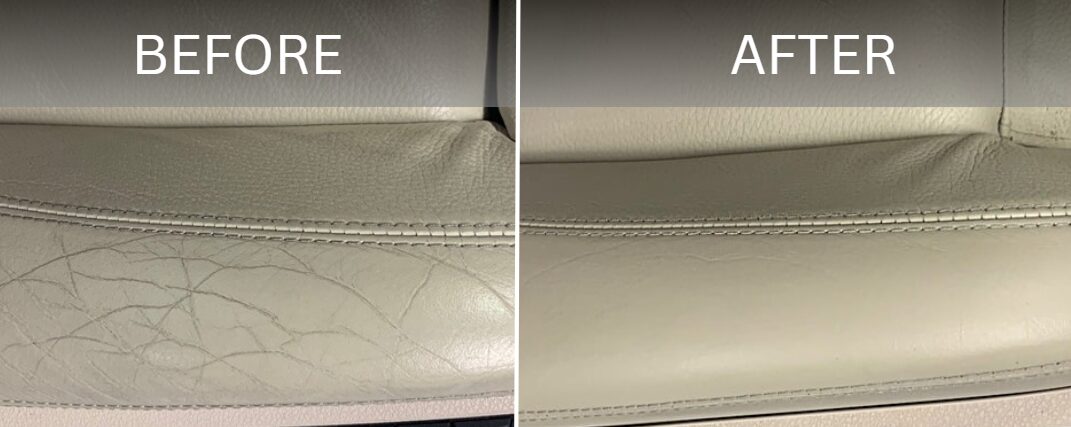
For example, in a leather sofa repair Essex project I recently did in Galleywood
Chelmsford, on a Erkones Suite, surface cracking across the armrest and some areas
of the seat bases was completely eliminated with correct preparation process, specialist
flexible filler and pigment work. As a result all restored to a like new look and finish
with no replacement needed.
However, deeper cracks, especially tears, located around seams, often need structural
support. I always assess the severity before quoting so clients know what to expect.
How to Repair a Leather Sofa (Step-by-Step)
People often ask me, “Can I do it myself?”
The honest answer: minor dryness, yes. But how to repair a leather tear properly and
safely requires professional skills tools and expertise.
Here’s how I approach it step by step:
1. Inspection and Preparation
First, I inspect the piece to identify the leather type (aniline, semi-aniline, pigmented, etc.).
This determines which preparation process is best suited and what coatings I’ll use.
Then, I prepare the leather with a pH-balanced solution to remove oils, dirt, and residues.
This step is crucial, if residue remains, filler won’t bond.
2. Light Sanding and Preparation
Next, I gently sand the cracked areas using ultra-fine pads. This smoothes the area and
edges and opens the fibres, preparing them for repair. I then wipe over the area with an
alcohol cleaner, which leaves the surface clinically clean ready for repairs. If the crack
is wide or showing heavy signs of wear I apply a fiber binder to the surface to provide
strength to crack to prevent deterioration through weakness in the leather.
I often find that even careful homeowners miss this stage, which is why DIY fixes rarely hold
up.
3. Applying Leather Filler
Once prepped, I apply a professional-grade flexible leather filler as required. If required
to be applied in thin layers, I make sure each layer cures before the next is applied,
building flexibility back into the surface. If the crack is along a natural crease line within
the leather, flexible leather will not be applied. These creases, like in our skin, are a
natural characteristic.
This stage is where the transformation begins. I often compare it to filling in a crack in
the wall, subtle, but effective when done with care.
Case Study – Colchester Corner Sofa:
A client’s cream sofa had deep cracks and excessive wear on the seats. I prepared the
surfaces, filled, and recoloured the area using an airbrush. The result? A smooth, soft finish
that matched the original tone perfectly still holding strong after two years.
4. Recolouring and Finishing
Using a colour-matching paint system, I scan neighbouring areas using a digital scanner, I
then blend pigments to recreate the original shade. I apply the first layer of colour by
sponge, making sure we get the colour into all areas and the grain of the leather. I then apply
a second and third layer using an airbrush in opposing directions to get an even application
of colour. Once dry, I apply a minimum of 3 layers of a hardwearing topcoat sealant for
protection against UV, friction, and future cracking.
Tools and Materials I Use Professionally
Running a one-person leather repair business means I handpick every product and tool myself
for quality control. My go-to kit includes:
∙ pH-balanced leather cleaner (for safe cleaning)
∙ pH-balanced leather Prep (for safe preparation and degreasing)
∙ Fine sanding pads (to smooth edges)
∙ Flexible leather repair filler (to rebuild cracks)
∙ Fibre Binder (to strengthen the leather fibres)
∙ Airbrush system (for even pigment application)
∙ Protective topcoat and conditioner (for sealing and long-term care)
Each stage builds on the last, preparation ensures adhesion, filler restores form, and
coating reseals the surface.
If you’re interested in how I maintain these standards, see my Services page I explain the full
list of treatments I offer for both furniture and car interiors.
Professional vs DIY: Why Results Differ
It’s tempting to try a DIY kit, but here’s why professional repair is a different league:
| DIY Kits | Professional Repair |
|---|---|
| Colour rarely matches correctly | Custom pigment match for each job |
| Filler may harden or peel | Flexible, heat-cured compounds |
| No topcoat protection | UV and friction-resistant sealants |
| Temporary improvement | Long-term durability and softness |
As many DIY reviews note, home kits can yield decent results for light scuffs, but they often
struggle with deeper cracks, colour matching and longevity. I’ve often been called to fix DIY jobs where the
colour either does not match and is a completely very different tone or has lifted within
weeks, making the repair costlier in the long run.
For peace of mind and lasting results, professional leather sofa repair is worth every penny.
When Cracks Can’t Be Fully Fixed
In some cases, cracks go beyond surface damage. You may need a tear repair, subject to the
size and location, a deeper more detailed restoration or a panel replacement if:
∙ Cracks expose fabric backing or foam
∙ Leather has peeled or flaked off
∙ The hide feels weak or powdery
Even then, I can usually restore appearance and prevent further splitting, extending the life of
your furniture.
I’m always honest during inspections, if repair isn’t cost-effective, I’ll tell you before
starting. I do not do repairs for the sake of it, i would not wish to waste a customers
money or time.
Preventing Future Cracks
Once repaired, your leather deserves proper aftercare.
Follow these simple habits to keep it healthy:
Clean Regularly
Use a pH-neutral leather cleaner every few weeks to remove body oils and dirt. Avoid harsh chemicals or wipes. You can read my earlier post on Professional Leather Cleaning in Essex Expert Care for Sofas, Furniture and Car Seats.
Condition Every 3–6 Months
Regular conditioning restores lost oils and keeps leather supple. Leather Cult’s guide explains
why conditioning is crucial to preventing cracks.
Avoid Heat and Direct Sunlight
If possible, reposition sofas away from windows and radiators, or use light-blocking
curtains. Use Protective Coatings.
Ask about UV-resistant or anti-friction finishes when you book your leather sofa repair Essex
service.
Schedule Maintenance
A quick check-up once a year can catch minor dryness before cracks reappear. I offer this as
part of ongoing repairs to leather sofa maintenance plans, just contact me for details.
I tell every client: “Treat your leather the way you treat your skin, cleanse, moisturise,
protect, repeat.”
Common Items I Repair
Cracked leather isn’t limited to sofas. I regularly work on:
∙ Sofas and recliners
∙ Car seats and steering wheels
∙ Handbags and leather jackets
∙ Office and salon furniture
Whether you live in Brentwood, Southend, Colchester or Braintree, I’ll bring your leather
back to life. Visit my Gallery to see before-and-after photos and learn more about my
services.
How Professional Leather Repair Extends the Life of Your Furniture (and Saves You Money)
One of the biggest misconceptions I encounter as a leather repair specialist in Essex is that
cracked or worn leather means replacement, and restoration or repairs are inevitable. In
reality, timely leather sofa repair can extend your sofa’s life by five to ten years, often at a
fraction of the replacement cost.
When leather begins to dry, the damage doesn’t stop on its own. Each movement stretches
weakened fibres, making cracks spread faster. By restoring flexibility and resealing the
surface, I stop that chain reaction early, saving clients hundreds of pounds in future
repairs.
Professional repairs to leather sofa surfaces also protect the underlying foam and stitching,
preventing sagging and fabric exposure. Beyond durability, expert recolouring renews the
look of your living space without the environmental cost of buying new furniture.
For homeowners across Chelmsford, Colchester, Southend, and Brentwood, investing in
restoration is more than a cosmetic fix, it’s sustainable craftsmanship that keeps your
favourite furniture comfortable, stylish, and strong for years to come.
Leather FAQs
Can all cracked leather be repaired?
Most cracked leather can be improved dramatically. Surface cracks usually vanish; deeper
ones can be filled and blended.
How much does it cost to fix a cracked leather sofa?
Typical leather sofa repair Essex pricing starts from £150.00, depending on extent of
damage and finish. I’ll always confirm a quote after inspection
Will the leather look brand new?
Often yes. Deep cracks can be filled and recoloured to near perfection, though heavily aged
leather might still show faint texture
How long does it take to repair a cracked leather sofa?
Repair time is influenced but the extent of damage, colour match.Can take anything from 90
mins to 8 hours. I will always confirm the booking requirement within quotation.
Can I repair a tear myself?
Minor scratches can be conditioned, but full how to repair leather tear on sofa work requires
filler, pigment, and sealing, best handled professionally.
How can I stop my leather sofa from cracking?
Keep leather moisturised, avoid heat, and book annual check-ups.
Can cracked car seats be repaired?
Yes, I handle these daily across Essex, including Basildon and Chelmsford, restoring cracked bolsters and steering wheels.
Is recolouring always required?
Usually yes. It ensures a seamless, natural finish that blends the repaired section perfectly.
Final Thoughts
Whether you’re dealing with light dryness or deeper, more stubborn cracking, professional
leather sofa repair is almost always the smarter choice over replacement. It restores comfort,
protects your investment, and keeps your furniture looking its best for years longer. As the
sole technician behind Supreme Leather Restorations, I bring careful, one-to-one
craftsmanship to every piece I work on across Essex. Your leather gets my full attention from
start to finish, repaired properly, restored beautifully, and treated with the care it deserves.
Check Out My Previous Blogs
How Much Does Leather Sofa Repair Cost? (UK Guide)
If you’re wondering how much leather sofa repair costs, this guide explains the factors that affect the price and when repairing is a better option than replacing your sofa.
Can a Peeling Leather Sofa Be Restored?
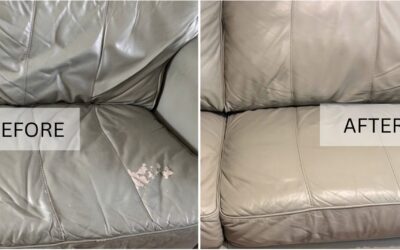
Can a peeling leather sofa be restored? Discover what causes leather sofa peeling, how professional repairs work, and when restoration is worth it.

Leather Bag Repair Near Me: Restore Any Bag, Anywhere in the UK
Can’t find a reliable leather bag repair specialist near you? You’re not the only one. Most general repair shops simply don’t have the materials or expertise to restore leather bags properly, but that doesn’t mean you’re out of options. Here’s what to look for, and how our UK-wide postal service means location is no longer a barrier.